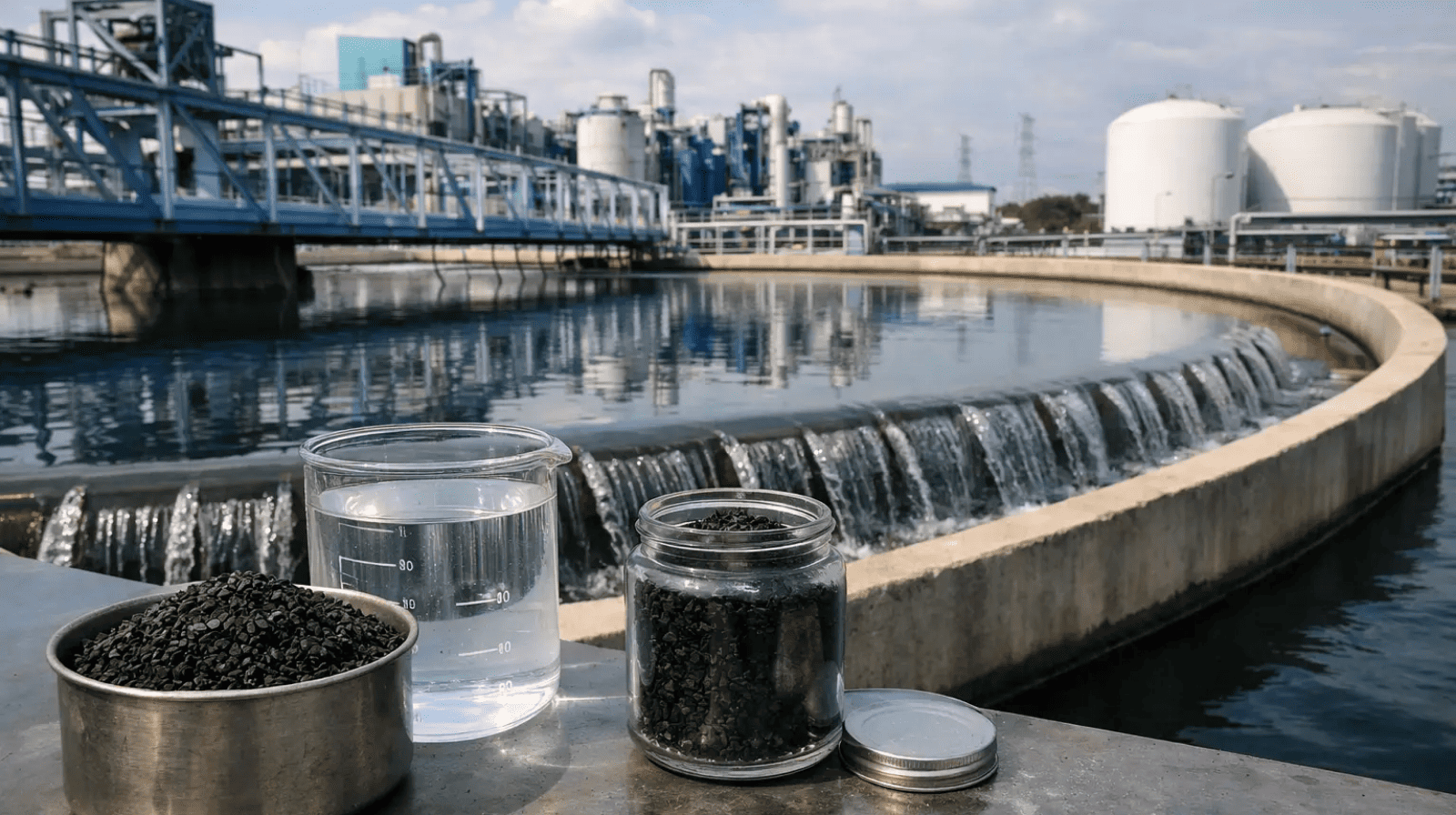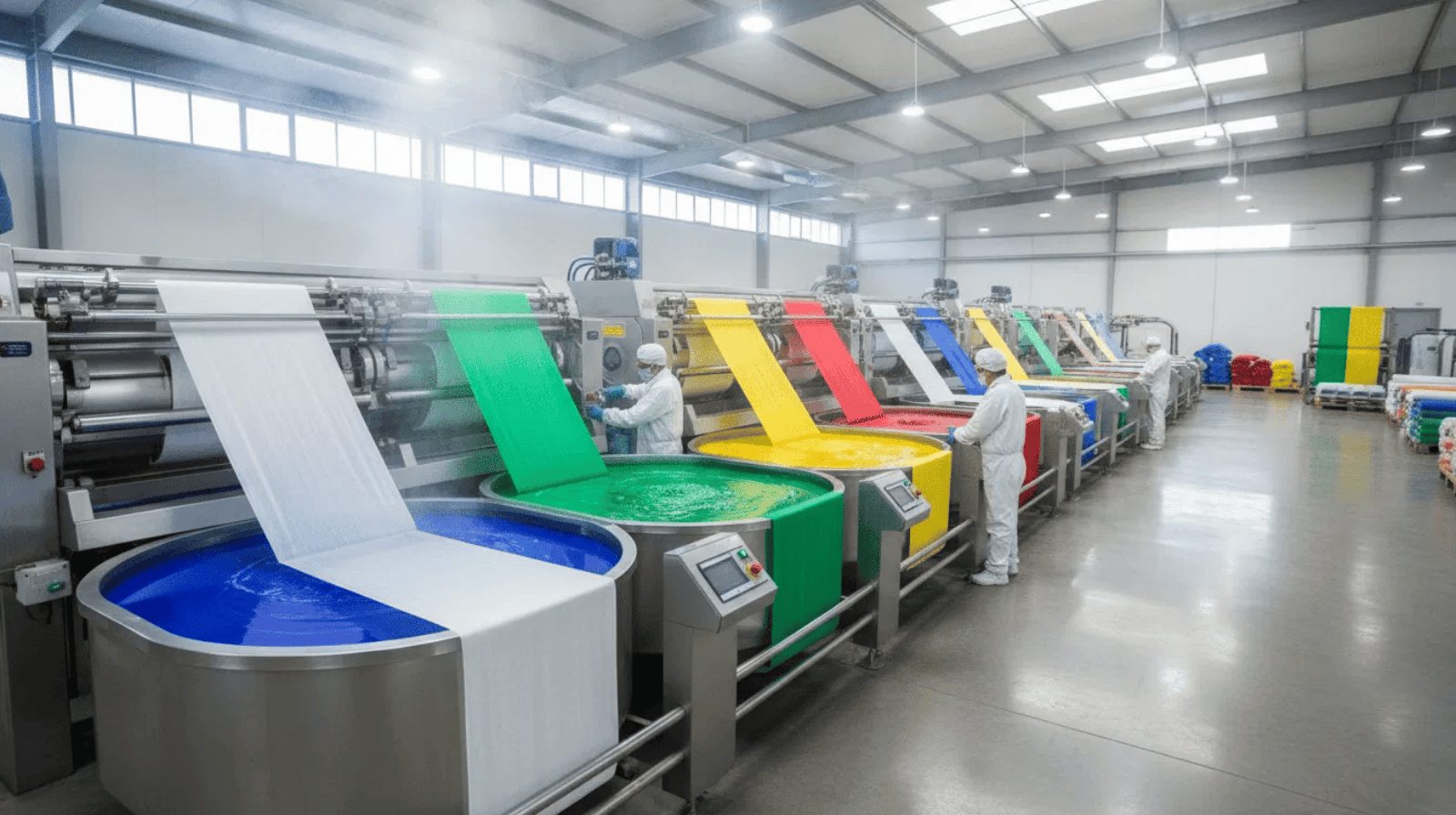
Silica supports product performance with reinforcement and stability across multiple industrial applications.
Published: May 06, 2026 | Industry Insights
Silicon dioxide (SiO₂), commonly known as silica, is one of the most abundant and industrially significant inorganic materials on earth. In its processed forms — precipitated silica, fumed silica, and finely milled natural silica powders — it plays a critical functional role across a broad range of industries including rubber, plastics, coatings, construction, electronics, and personal care.
Precipitated silica has become the reinforcing filler of choice in high-performance tyre compounds, replacing a significant share of carbon black particularly in passenger car tyre treads. The so-called "silica-silane" technology, introduced in the 1990s, enables silica to deliver a superior combination of rolling resistance reduction, wet grip improvement, and wear resistance compared to carbon black-filled compounds. This balance — often referred to as the "magic triangle" of tyre performance — is now a regulatory and market-driven requirement in energy-efficient tyre labelling systems across Europe and Asia.
Beyond tyres, precipitated silica is used as a reinforcing filler and anti-tack agent in technical rubber goods including conveyor belts, seals, gaskets, hoses, and footwear soles. In silicone rubber systems, fumed silica provides the primary reinforcement, contributing tensile strength, tear resistance, and stability at both high and low temperature extremes.
In thermoplastic and thermoset polymer systems, fine silica grades serve as functional additives that improve dimensional stability, surface hardness, and processing behavior. Silica can reduce shrinkage and warpage in injection-moulded parts, improve abrasion resistance in wear-critical applications, and act as a dielectric filler in electrical and electronic components requiring controlled insulation properties.
In film and sheet applications, micro-silica is used as an anti-blocking agent, preventing film layers from adhering to each other in winding and packaging operations. Its controlled particle size and surface chemistry allow film transparency to be maintained while providing reliable slip and blocking control.
Precipitated and fumed silica grades are used as matting agents in architectural paints, industrial coatings, and wood finishes. By controlling the surface roughness of the dry film, silica reduces gloss to specified levels without adversely affecting transparency or color.
In liquid coatings, inks, and adhesives, fumed silica functions as a thixotropic agent. It builds viscosity at rest to prevent settling and sagging, while allowing the product to flow and level effectively under shear during application. This property is particularly critical in high-build coatings, aerospace adhesives, and structural sealants.
Ultra-fine silica fume — a by-product of silicon and ferro-silicon alloy production — is used as a reactive pozzolanic additive in high-performance concrete. It refines the pore structure of the cement matrix, increases compressive strength, reduces permeability, and improves resistance to chemical attack and reinforcement corrosion. It is a standard component in bridge decks, marine structures, nuclear facilities, and high-rise construction.
Silica performance is highly grade-dependent. Key parameters that determine suitability for a given application include BET surface area, oil absorption number, particle size distribution (D50 and D90), pH, moisture content, and surface treatment. Selecting an application-matched silica grade — and optimising the dispersion process — is essential to achieving the desired performance outcome in the end product. Working with a supplier who can provide technical documentation, specification-matched grades, and application support is a significant advantage in product and process development.

 Home
Home