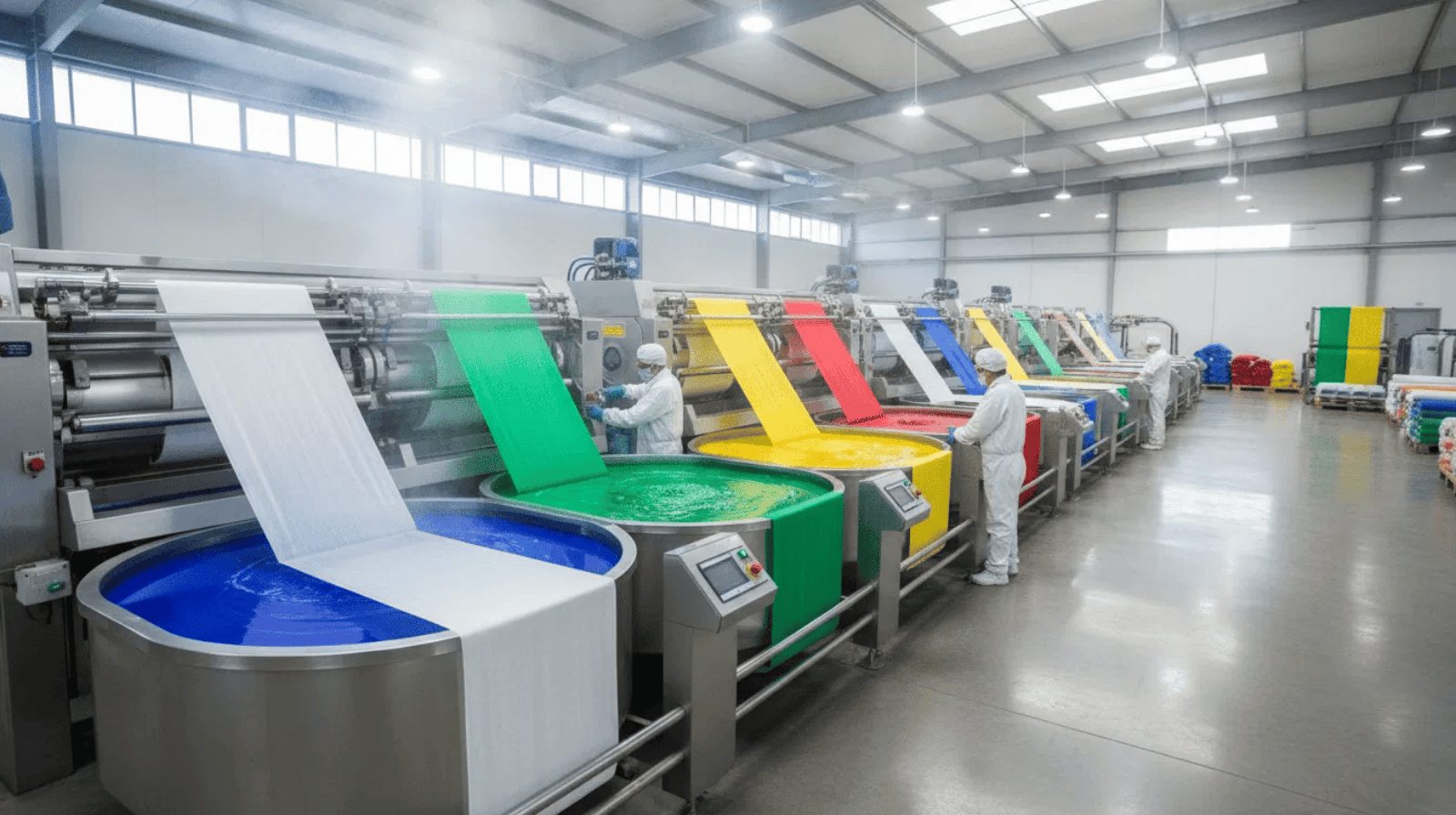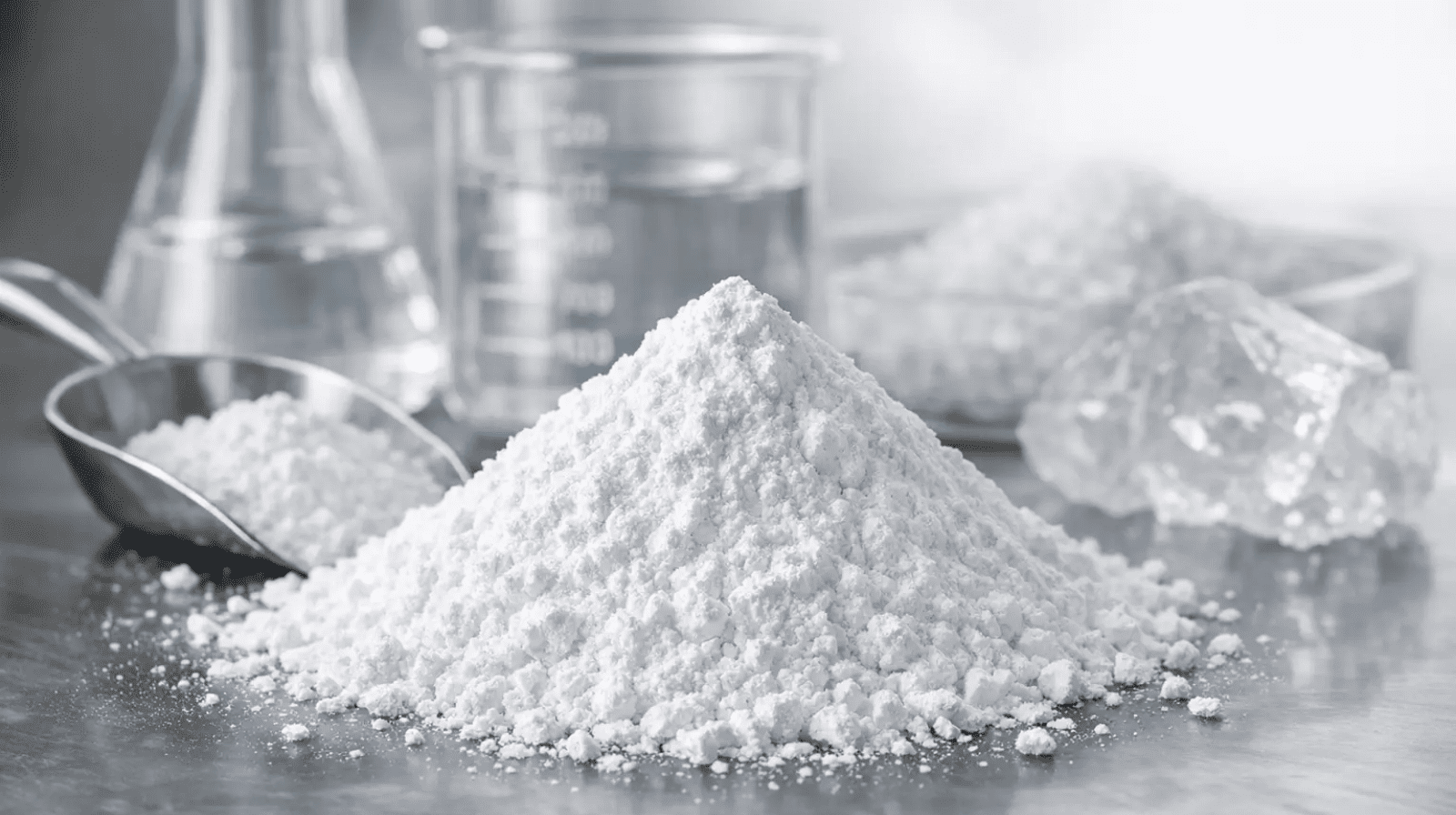
Activated carbon plays a critical role in modern water treatment systems for purification and contaminant removal.
Published: May 06, 2026 | Industry Insights
Activated carbon is widely regarded as one of the most versatile and effective adsorbent materials used in water treatment today. Its highly developed internal pore structure — with surface areas typically ranging from 500 to over 1500 m²/g — gives it an exceptional capacity to capture dissolved organic compounds, residual chlorine and its by-products, odor-causing substances, pharmaceuticals, heavy metals, and a broad range of trace contaminants from both drinking water and industrial effluent streams.
The adsorption mechanism in activated carbon is primarily physical: contaminant molecules are attracted to and held within the porous carbon matrix through van der Waals forces. The effectiveness of this process depends on several parameters — carbon grade and particle size, the nature and concentration of the contaminant, contact time, temperature, and the pH of the water being treated.
Activated carbon is available in two primary forms for water treatment applications: Granular Activated Carbon (GAC), which is used in fixed-bed filter systems, and Powdered Activated Carbon (PAC), which is dosed directly into water streams and subsequently removed by coagulation and filtration.
GAC filters are a standard polishing step in municipal water treatment plants. After primary treatment and filtration, water passes through carbon beds that effectively remove residual chlorine and disinfection by-products (DBPs) such as trihalomethanes (THMs) and haloacetic acids (HAAs), taste and odor compounds including geosmin and 2-methylisoborneol (MIB), micropollutants such as pesticides, hormones, and pharmaceuticals, and dissolved natural organic matter (NOM).
Industrial wastewater from textile, pharmaceutical, chemical, and food processing industries often contains complex organic pollutants, color bodies, and toxic compounds that cannot be fully removed by conventional biological treatment alone. Activated carbon polishing — either as a tertiary treatment step or in combination with biological systems — reduces chemical oxygen demand (COD), removes persistent organic pollutants, and enables treated effluent to meet discharge standards or be recycled back into production processes.
Boiler feedwater, cooling tower makeup water, and water used in sensitive manufacturing processes must meet strict quality standards. Activated carbon is used to remove oxidising agents, residual disinfectants, and dissolved organics that could cause corrosion, fouling, or quality issues in downstream systems.
In gold mining operations, activated carbon is used in carbon-in-pulp (CIP) and carbon-in-leach (CIL) circuits to adsorb gold-cyanide complexes from slurry, enabling efficient precious metal recovery at scale.
The selection of activated carbon depends on the specific water quality requirements. Important parameters include iodine number and BET surface area (indicators of micro-porosity and adsorption capacity), particle size distribution (affecting pressure drop and contact efficiency in fixed beds), ash content and moisture level, and raw material source — coconut shell carbons typically offer superior hardness and microporous structure for water applications, while coal-based grades may be preferred for higher capacity applications with larger molecular weight organics.
With proper system design — including appropriate empty bed contact time (EBCT), bed depth, and backwash cycles — activated carbon systems deliver consistent, long-term purification performance. Spent carbon can often be thermally reactivated, reducing lifecycle costs and supporting sustainability objectives. For operators managing compliance-driven water quality targets, activated carbon remains a proven, scalable, and cost-effective solution.
© Bharat Audhyogik Rasayanam copyright 2025
 Home
Home