High-performance Activated Carbon for water purification, air filtration, food processing, industrial treatment applications and more.
EC Number
231-153-3 / 264-846-4 / 215-609-9 / 232-309-0
Molecular Weight
12.01 g/mol
Purity
85% - 99%
Packaging
25 / 500 / 1000kg bags /
ACF / Cloth / Honeycomb /
MR bags
MOQ
1 T.E.U. (FCL)
Customization (incl. but not limited to)
for Grades / Forms / Specifications / Properties / Packaging available on request
Common Names
Activated / Medicinal /
Vegetable Charcoal
Appearance ; Odor
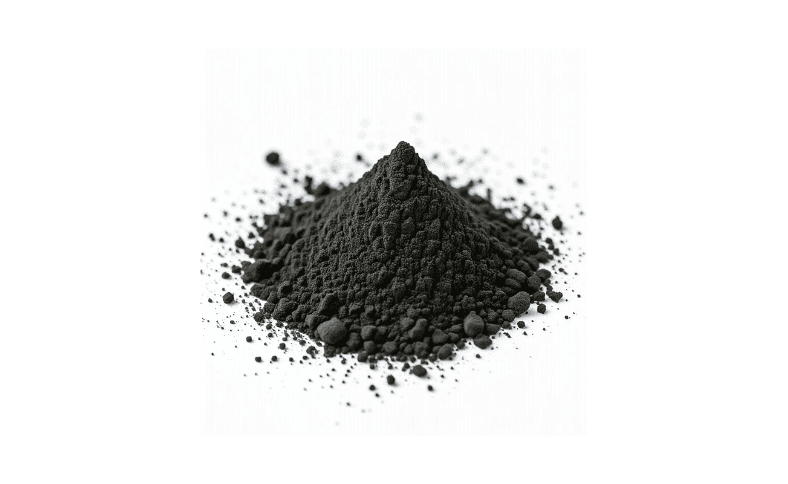
Black Powder ;
Odorless
Industrial Category ; Chemical Class
Adsorbent / Filtration Media / Purification Agent /
Decolorizing Agent / Catalyst Support ;
Amorphous Carbon / Carbonaceous Material
Forms
Powder / Granular / Pellets /
Beads / Blocks / Fibers / Rolls
IUPAC Name
Carbon
Activated Carbon is a highly porous adsorption material manufactured in a wide range of physical forms, including powdered (PAC), granular (GAC), extruded/pelletized (EAC), spherical, briquetted, and re-agglomerated grades. Produced from carefully selected carbonaceous raw materials and activated through controlled thermal and chemical processes, it offers exceptionally high surface area and a well-developed pore structure for efficient removal of organic and inorganic contaminants from both liquid and vapor phases. Designed with controlled particle size distribution, uniform pore architecture, and high mechanical strength, these grades ensure consistent performance, low dust generation, and minimal attrition in demanding industrial applications.
In addition to standard formats, advanced and specialty Activated Carbon grades are engineered for high-performance and application-specific requirements. These include activated carbon fibers (ACF), honeycomb blocks, carbon cloth and felt, impregnated and catalytic carbons, as well as custom binder-based and engineered solutions. With fast adsorption kinetics, enhanced durability, and targeted contaminant removal capabilities, Activated Carbon is widely used across water and wastewater treatment, air and gas purification, food and beverage processing, gold recovery, and a broad spectrum of industrial purification processes.
Our activated carbon grades are manufactured from high-quality raw materials such as coconut shell, coal, and wood, offering optimized pore structures, high adsorption capacity, and consistent performance across diverse industrial applications.
| Grade | Iodine Value (mg/g) | Key Impurities | Raw Material Source | Form | Applications |
|---|---|---|---|---|---|
| Powdered Activated Carbon (PAC) | 800 – 1100 |
Ash: 5–15% Moisture: ≤ 10% Volatiles: ≤ 15% |
Coconut Shell / Coal / Wood | Fine Powder (80–325 mesh, ~0.04–0.18 mm) | Drinking Water Treatment, Wastewater Treatment, Food & Beverage Decolorization, Pharmaceutical Purification, Chemical Processing, Odor Removal |
| Granular Activated Carbon (GAC) | 900 – 1200 |
Ash: 3–10% Moisture: ≤ 8% Hardness: High |
Coconut Shell / Coal | Granules (0.2 – 5 mm) | Drinking Water Filtration, Gold Recovery (CIP/CIL), Industrial Water Treatment, Aquarium Filtration, Solvent Recovery, Organic Contaminant Removal |
| Extruded / Pelletized Carbon (EAC) | 900 – 1100 |
Ash: 5–12% Moisture: ≤ 5% Low Dust Content |
Coal / Coconut Shell | Pellets (Ø 0.8 – 5 mm, Length 2 – 10 mm) | Air Purification, VOC Removal, Industrial Gas Treatment, Solvent Recovery, Biogas Purification, Odor Control Systems |
| Spherical Activated Carbon (SAC) | 1000 – 1300 |
Ash: ≤ 5% Moisture: ≤ 5% High Purity |
Polymer-Based / Pitch | Spherical Beads (0.2 – 1 mm) | Hemoperfusion (Medical), Fluidized Bed Reactors, High-End Filtration, Pharmaceutical Applications, Precision Adsorption Systems |
| Agglomerated / Briquetted Carbon | 850 – 1100 |
Ash: 8–15% Moisture: ≤ 10% Uniform Structure |
Coal / Carbon Fines | Re-crushed Granules (0.5 – 4 mm) | Industrial Water Treatment, Flue Gas Treatment, Consistent Adsorption Systems, Bulk Filtration Applications |
| Activated Carbon Fiber (ACF) | 1200 – 2000 |
Ash: ≤ 3% Moisture: ≤ 5% Ultra-Low Impurities |
PAN / Pitch | Fibers (10 – 20 µm diameter) | Protective Clothing, Gas Masks, High-Speed Adsorption, Solvent Recovery, Electronics & Cleanroom Applications |
| Honeycomb Activated Carbon | 600 – 900 |
Ash: 10–20% Moisture: ≤ 10% Structured Form |
Coal / Wood Powder | Honeycomb Blocks (cell density: 100–400 cpsi) | Industrial Exhaust Treatment, VOC Removal Systems, Air Handling Units, Paint Booth Emission Control |
| Carbon Cloth / Felt | 1000 – 1500 |
Ash: ≤ 5% Moisture: ≤ 5% Flexible Structure |
Viscose / PAN Fibers | Sheets / Rolls (thickness: 1 – 10 mm) | Defense Applications, Chemical Protection Suits, Filtration Media, Electrochemical Applications |
| Impregnated Activated Carbon | 800 – 1100 |
Ash: 5–12% Moisture: ≤ 8% Metal Impregnants |
Coal / Coconut Shell | Granules / Pellets (0.5 – 4 mm) | H₂S Removal, Toxic Gas Adsorption, Mercury Removal, Industrial Scrubbing Systems, Air Purification |
| Catalytic Activated Carbon | 900 – 1100 |
Ash: 5–10% Moisture: ≤ 8% Surface Modified |
Coal / Coconut Shell | Granules / Pellets (0.5 – 4 mm) | Chlorine Removal, Ozone Decomposition, Water Treatment Plants, Advanced Oxidation Processes |
| Property | PAC | GAC | EAC | SAC | Briquetted | Engineered | Advanced & Specialty |
|---|---|---|---|---|---|---|---|
| Appearance | Black fine powder | Black irregular granules | Black cylindrical pellets | Black spherical beads | Uniform crushed granules | Structured / modified granules | Fibers / honeycomb / cloth |
| Iodine Value (mg/g) | 800 – 1100 | 900 – 1200 | 900 – 1100 | 1000 – 1300 | 850 – 1100 | 900 – 1200 (tailored) | 1200 – 2000 |
| BET Surface Area (m²/g) | 800 – 1200 | 900 – 1300 | 800 – 1200 | 1000 – 1500 | 900 – 1200 | 1000 – 1400 | 1200 – 2500 |
| Hardness / Attrition | Low | High | Very High | Very High | High | Very High (engineered) | Very High / Flexible |
| Bulk Density (g/cm³) | 0.20 – 0.50 | 0.40 – 0.55 | 0.45 – 0.65 | 0.50 – 0.70 | 0.45 – 0.65 | 0.45 – 0.70 | 0.10 – 0.60 |
| pH (Aqueous) | 6 – 9 | 6 – 10 | 6 – 10 | 6 – 8 | 6 – 9 | 6 – 9 (adjustable) | 6 – 8 |
| Porosity Type | Micro + Meso | Micro + Meso | Microporous | Uniform micropores | Controlled pores | Tailored pore distribution | Highly engineered pores |
| Adsorption Rate | Very Fast | Moderate | Moderate | Fast | Moderate | Optimized / selective | Ultra Fast |
| Regeneration | Limited | Good | Excellent | Good | Good | Enhanced / application specific | Application specific |
Fine powdered carbon with high surface area, used for rapid adsorption in liquid phase applications.
Key Benefits: Quick contaminant removal, high efficiency, and cost-effective dosing.
Granular form of activated carbon used in fixed-bed systems for gas and liquid purification.
Key Benefits: Long service life, regenerable, and efficient contaminant removal.
Cylindrical pellets designed for gas-phase adsorption with low pressure drop and high mechanical strength.
Key Benefits: High durability, low pressure drop, and efficient gas adsorption.
Uniform spherical carbon beads offering superior flow dynamics and low pressure drop in adsorption systems.
Key Benefits: Improved flow efficiency, reduced pressure drop, and longer operational life.
Carbon formed into briquettes or agglomerates for enhanced handling and structural stability.
Key Benefits: Reduced dust, better handling, and consistent performance.
Activated carbon engineered for high hardness and resistance to breakage in demanding applications.
Key Benefits: Longer life, reduced fines generation, and consistent performance.
Specially processed carbon with minimal dust formation, designed for clean handling and reduced losses.
Key Benefits: Cleaner systems, reduced product loss, and safer handling.
Engineered activated carbon using tailored binders to achieve specific performance characteristics.
Key Benefits: Tailored performance, improved durability, and application flexibility.
Fibrous form of activated carbon with extremely high surface area and rapid adsorption kinetics.
Key Benefits: High efficiency, lightweight structure, and rapid performance.
Structured carbon blocks with honeycomb geometry for efficient gas flow and adsorption.
Key Benefits: Efficient airflow, compact design, and high adsorption efficiency.
Flexible carbon materials used in filtration, electrodes, and advanced adsorption systems.
Key Benefits: Versatility, high performance, and adaptability in advanced systems.
Activated carbon treated with chemicals to enhance adsorption of specific contaminants.
Key Benefits: Selective removal, improved efficiency, and specialized applications.
Modified activated carbon that promotes catalytic reactions in addition to adsorption.
Key Benefits: Dual functionality, improved efficiency, and advanced purification performance.
Activated carbon is a highly porous adsorbent that may generate airborne dust during handling. Fine dust can cause irritation to the eyes and respiratory system. Under certain conditions, suspended carbon dust may form explosive mixtures in air. Additionally, activated carbon may undergo self-heating when adsorbing organic vapors or oxidizable substances. Proper ventilation, dust control, and safe handling practices are essential.
Safety Data Sheet (SDS) available upon request for detailed handling instructions, exposure limits, and regulatory compliance.
Activated carbon is supplied in multiple packaging formats depending on its physical form (powdered, granular, pelletized, or specialty) and application requirements. Packaging is designed to ensure moisture protection, prevent contamination, and maintain adsorption efficiency throughout storage and transportation.
Packaging and logistics solutions can be customized to match specific industry requirements, handling systems, and export compliance standards.
Activated carbon plays a critical role in environmental protection and sustainable industrial processes. Its ability to be regenerated, reused, and produced from renewable sources supports circular economy initiatives across water, air, and chemical treatment applications.
 Home
Home