
Our COA-specific Sodium Hydroxide (Caustic Soda) for pulp & paper, textiles, chemicals, water treatment, alumina refining, soaps & detergents, and more.
EC Number
215-185-5
Molecular Weight
40.00 g/mol
Purity
Solid: 96% - 99.99%(upto 4N)
Liquid: 30% - 50%
Packaging
25 / 500 / 1000 / 1500kg bags
1000 ltr IBC
MOQ
1 T.E.U. (FCL)
Customization (incl. but not limited to)
for Grades / Forms / Specifications / Properties / Packaging available on request
Common Names
Caustic soda / Lye
Appearance ; Odor
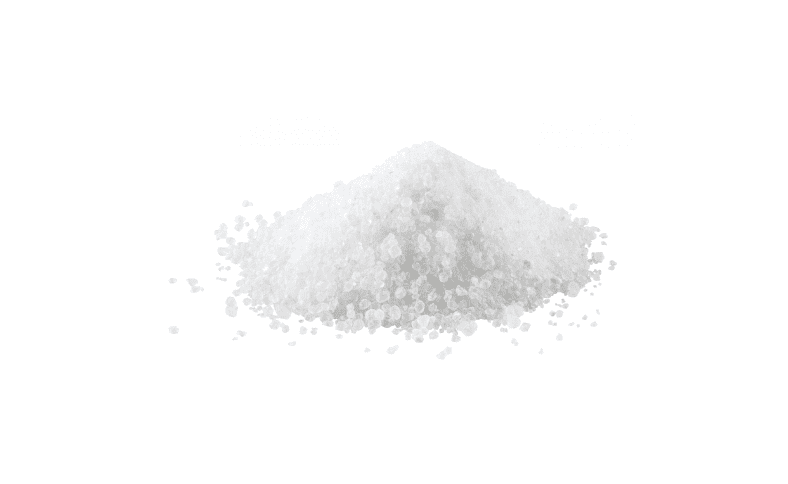
White / Opaque / Crystalline ;
Odorless
Industrial Category ; Chemical Class
Glass Manufacturing / Detergent & Soap Manufacturing / Chemical Processing /
Water Treatment / Textile Processing / Pulp & Paper / Metallurgical Processing /
Cleaning & Industrial Maintenance / Food Additive (E500) / Pharmaceutical Excipient / Buffering Agent / pH Regulator / Alkali Builder / Fluxing Agent ;
Inorganic Alkali Salt / Carbonate / Sodium Salt
Forms
Crystals / Flakes / Pellets / Aqs
IUPAC Name
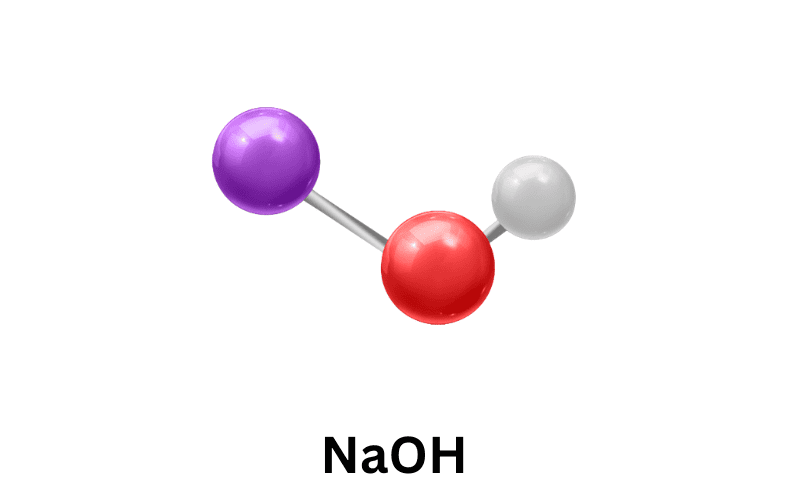
Sodium Hydroxide
A highly versatile and essential inorganic alkali, this product is manufactured across a broad spectrum of grades to meet diverse industrial, commercial, and specialty requirements. Standard technical and industrial variants (96–99%) are widely utilized in applications such as pulp and paper processing, textiles, detergents, and water treatment. Advanced production routes, including membrane cell technology, ensure low salt content and superior purity, while diaphragm-based variants provide cost-effective solutions for less sensitive applications. Specialized forms tailored for the rayon and textile sectors offer controlled levels of iron and chloride, ensuring consistent performance in fiber production and processing environments.
For more demanding applications, high-purity and specialty grades are available to comply with stringent regulatory and quality standards. Food-grade variants conform to international specifications such as FCC and FDA, making them suitable for food processing and related industries. Pharmaceutical grades, adhering to USP and EP standards, deliver exceptional purity (up to 99.99%) for critical formulations and medical applications. Laboratory and reagent grades (AR quality) are designed for analytical and research purposes, offering precise composition and reliability. This comprehensive grade portfolio ensures adaptability across sectors, delivering consistent quality, performance, and compliance for both routine and high-precision uses.
Our Caustic Soda grades are manufactured to meet strict industrial and regulatory standards, ensuring consistent quality across diverse applications.
| Grade | NaOH (%) | Key Impurities | Form | Applications / Industries |
|---|---|---|---|---|
| Technical / Industrial | 96 – 99% |
Na₂CO₃: 0.5–1.5% NaCl: 0.1–1.0% Fe: 20–50 ppm |
Flakes / Lye |
Water treatment, pulp & paper, soap & detergents, textiles, chemical manufacturing, alumina refining, petroleum refining |
| Membrane Grade | ≥ 99% |
NaCl: 50–100 ppm Na₂SO₄: 20–50 ppm Fe: 5–20 ppm |
Flakes / Lye |
High-purity chemicals, textiles, dyes & intermediates, electronics, specialty chemicals, pharmaceutical intermediates |
| Diaphragm Grade | 94 – 98% |
NaCl: 1–2% Na₂CO₃: 1–2% Fe: 50–100 ppm |
Lye |
General chemicals, cleaning agents, wastewater treatment, pulp processing, oil & gas neutralization |
| Food Grade (FCC/FDA) | ≥ 99% |
Heavy metals: 1–10 ppm NaCl: 50–150 ppm Fe: 1–10 ppm |
Flakes / Pearls |
Food processing, beverage industry, cocoa processing, fruit & vegetable peeling, edible oil refining, sugar processing |
| Pharmaceutical Grade (USP/EP) | 99.0 – 100.5% |
Heavy metals: 0.5–5 ppm NaCl: 20–100 ppm Fe: 0.5–5 ppm |
Pellets / Lye |
Pharmaceutical manufacturing, APIs, biotech processing, laboratory reagents, high-purity synthesis |
| Rayon Grade | ~99% |
Fe: 5–20 ppm NaCl: 50–150 ppm Na₂CO₃: 0.2–0.8% |
Lye |
Viscose rayon, textile fibers, cellulose processing, film production, specialty fabrics |
| Laboratory / Reagent (AR) | ≥ 99% |
Heavy metals: <1 ppm NaCl: 10–50 ppm Fe: <1 ppm |
Pellets / Flakes |
Analytical labs, R&D, chemical testing, academic research, quality control labs |
Our caustic soda grades are tested using ASTM, ISO, and pharmacopeial standards to ensure consistent purity, alkalinity, and performance across industrial, food, pharmaceutical, and laboratory applications.
| Parameter | Method | Specification |
|---|---|---|
| Appearance | Visual Inspection | White flakes / pearls / pellets or clear liquid (lye) |
| NaOH Assay | ASTM E291 – Acid-Base Titration |
Industrial / Tech (IG): 96 – 99% Membrane Grade: ≥ 99% Diaphragm Grade: 98 – 99% Rayon Grade: ≥ 99% Food Grade (FCC/FDA): ≥ 99% Pharma (USP/EP): 99.0 – 99.99% Lab / AR: ≥ 99% |
| Sodium Carbonate (Na₂CO₃) | ASTM E359 – Carbonate Determination by Titration |
Industrial: ≤ 1.5% Membrane Grade: ≤ 0.5% Food / Pharma: ≤ 0.4% |
| Chloride (Cl⁻) | ASTM E291 – Silver Nitrate Titration |
Membrane Grade: ≤ 0.02% Diaphragm Grade: ≤ 1.0% Rayon Grade: ≤ 0.01% Pharma / AR: ≤ 0.01% |
| Iron (Fe) | ASTM E1479 – ICP-OES Analysis |
Industrial: ≤ 50 ppm Rayon Grade: ≤ 10 ppm Pharma / AR: ≤ 5 ppm |
| Heavy Metals (as Pb) | USP <231> / ICP-OES |
Food Grade: ≤ 10 ppm Pharma Grade: ≤ 5 ppm |
| Silicate (SiO₂) | ASTM D859 – Silica Determination |
Diaphragm Grade: ≤ 0.02% Membrane Grade: Trace levels |
| pH (1% Solution) | ASTM E70 – pH Measurement | ≥ 13 (Strongly Alkaline) |
| Density (Liquid – 50% Solution) | ASTM D1475 – Density Measurement | 1.50 – 1.53 g/cm³ |
| Solubility | ASTM E1148 – Solubility Test | Highly soluble in water with exothermic reaction |
| Mercury (Hg) | ICP-MS Analysis |
Membrane Grade: Not detectable Diaphragm Grade: Trace (process dependent) |
| Residue on Ignition | USP <281> |
Pharma Grade: ≤ 0.1% AR Grade: ≤ 0.05% |
| Property | Industrial Grade | Membrane Grade | Food Grade | Pharma / Reagent Grade |
|---|---|---|---|---|
| Appearance | White solid / clear liquid | White flakes / clear solution | White, odorless solid | Ultra-pure white solid |
| NaOH Purity (%) | 96 – 99% | ≥ 99% | ≥ 99% | 99.0 – 100.5% |
| Physical Form | Flakes / Lye | Flakes / Lye | Flakes / Pearls | Pellets / Flakes |
| Melting Point (°C) | 318 – 320 | 318 – 320 | 318 – 320 | 318 – 320 |
| Boiling Point (°C) | ~1388 | ~1388 | ~1388 | ~1388 |
| Density (g/cm³) | 2.10 – 2.13 | 2.12 – 2.13 | 2.12 – 2.13 | 2.13 |
| pH (1% Solution) | 13 – 14 | 13 – 14 | 13 – 14 | 13 – 14 |
| Solubility in Water | Highly soluble (111 g/100 ml @20°C) | Highly soluble | Highly soluble | Highly soluble |
| Hygroscopic Nature | Highly hygroscopic | Highly hygroscopic | Highly hygroscopic | Highly hygroscopic |
| Carbonate Content (Na₂CO₃) | 0.5 – 1.5% | 0.1 – 0.5% | 0.05 – 0.2% | <0.05% |
| Chloride Content (NaCl) | 0.1 – 1.0% | 50 – 100 ppm | 50 – 150 ppm | 10 – 50 ppm |
Standard grade used in large-scale industrial applications where ultra-high purity is not critical.
Key Benefits: Economical, versatile, and widely applicable across industries.
High-purity product obtained via membrane cell technology, ensuring low salt and impurity levels.
Key Benefits: Superior purity, reduced contamination, and reliable performance.
Produced using diaphragm cell technology, typically containing higher salt content than membrane grade.
Key Benefits: Cost-effective, suitable for large-scale use, and widely available.
High-purity grade compliant with food safety standards, suitable for food processing and related applications.
Key Benefits: Safe for food applications, regulatory compliance, and high purity.
Ultra-high purity grade meeting pharmacopeia standards for use in pharmaceutical manufacturing.
Key Benefits: Highest purity, strict quality control, and suitability for pharma use.
Specialized grade designed for viscose rayon production, requiring controlled purity and consistency.
Key Benefits: High fiber quality, process stability, and reduced defects.
Analytical reagent grade designed for laboratory testing, research, and analytical applications.
Key Benefits: Reliable results, high precision, and consistent lab performance.
Sodium hydroxide (NaOH), commonly known as caustic soda, is a highly corrosive and strongly alkaline compound extensively used in chemicals, textiles, pulp & paper, detergents, and water treatment industries. Direct contact with solid or concentrated solutions can cause severe burns to skin, eyes, and mucous membranes. Exposure to mists or dust may result in respiratory irritation and potential damage to the respiratory tract. Due to its highly reactive nature, it can generate heat when dissolved in water, posing additional handling risks. Proper ventilation, controlled handling systems, and strict adherence to occupational safety standards are essential during storage and use.
Safety Data Sheets (SDS) are available upon request, providing detailed information on safe handling practices, exposure limits, and regulatory compliance.
Caustic soda is supplied in multiple physical forms including flakes, pearls, pellets, and liquid solutions, with packaging tailored to ensure safety, stability, and ease of handling across industrial applications. Packaging systems are designed to prevent moisture absorption, contamination, and ensure compatibility with corrosive properties.
Flexible and compliant logistics solutions are provided to meet both domestic and international industrial supply requirements.
Caustic soda plays a vital role in sustainable industrial operations, supporting resource efficiency, waste treatment, and environmentally responsible manufacturing processes across multiple sectors.
 Home
Home