
Our COA specific Di Sodium Carbonate for glass manufacturing, chemicals, textiles, water treatment and more.
EC Number
207-838-8
Molecular Weight
105.99 g/mol
Purity
Solid: 85% - 99.99% (upto 3N)
Aqs: 20% - 50%
Packaging
25 / 50 / 500 / 1000 / 1500 kg bags
200-1000 ltr IBC
MOQ
1 T.E.U. (FCL)
Customization (incl. but not limited to)
for Grades / Forms / Specifications / Properties / Packaging available on request
Common Names
Soda Ash / Washing Soda / Soda Crystals
Appearance ; Odor
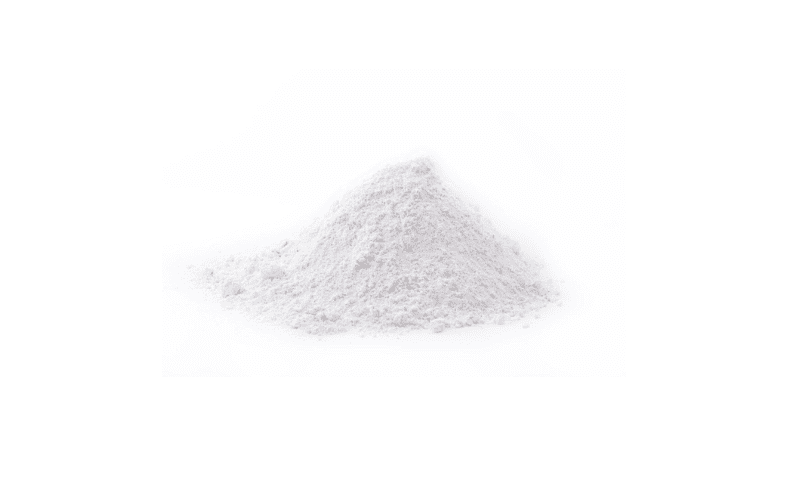
White / Off-white ;
Odorless
Industrial Category ; Chemical Class
Detergent Builder / Water Softener / pH Regulator / Alkali Agent / Chemical Intermediate / Fluxing Agent / Cleaning Agent / Pharmaceutical Excipient / Buffering Agent / Textile Processing Aid / Metallurgical Flux / Dyeing Auxiliary ;
Inorganic Alkali Salt / Carbonate / Sodium Salt
Forms
Powder / Fine / Ultra-refined / Granular / Aqs / Crystalline
IUPAC Name
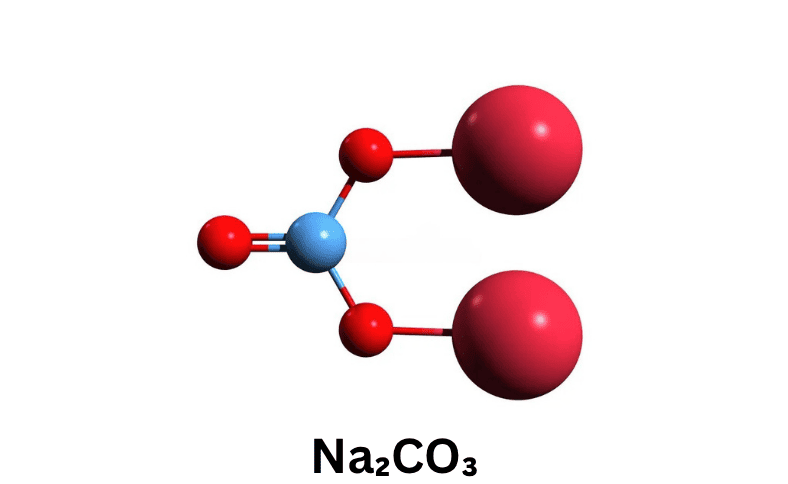
Sodium Carbonate
Soda Ash (Sodium Carbonate) is a versatile inorganic alkali widely utilized across core industrial sectors for its consistent alkalinity, buffering capacity, and reactivity. It plays a critical role in glass manufacturing as a primary flux, while also serving as an essential builder in detergent and soap formulations, enabling effective cleaning and water softening. In chemical processing, it functions as a key intermediate and pH regulator, supporting a broad range of synthesis and neutralization reactions. Its application further extends to water treatment for hardness removal and pH adjustment, textile processing for dye fixation and scouring, pulp and paper manufacturing for pulping and bleaching operations, and metallurgical processes where it aids in impurity removal and fluxing. With reliable performance across these industries, it remains a foundational chemical for large-scale and precision-driven operations alike.
Engineered to meet diverse operational requirements, this product is available in multiple physical forms and compositions that ensure optimal handling, solubility, and process efficiency across applications. Variants range from free-flowing particulate forms designed for bulk handling and automated dosing systems to fine, rapidly dissolving forms suited for high-reactivity environments, as well as hydrated and liquid formats that enable direct integration into continuous processing systems. High-purity and refined variants are developed with strict impurity control for sensitive applications, including optical, food, and pharmaceutical use, ensuring compliance with global quality standards. Additionally, it is sourced through both naturally derived mineral routes and controlled synthetic processes, offering flexibility in sustainability, consistency, and supply reliability while maintaining uniform chemical performance across applications.
Our soda ash grades are manufactured to precise industrial specifications, ensuring consistent purity, controlled impurity levels, and optimal performance across diverse applications.
| Grade | Na₂CO₃ (%) | Key Impurities | Form | Applications |
|---|---|---|---|---|
| Dense Soda Ash | 99.2 – 99.8% |
NaCl: 0.2 – 0.5% Na₂SO₄: 0.05 – 0.1% Fe: 0.001 – 0.003% Insolubles: 0.02 – 0.05% |
Granular / dense particles | Flat & container glass, fiberglass, detergents, sodium silicate, sodium bicarbonate production, chemical intermediates |
| Light Soda Ash | 99.2 – 99.8% |
NaCl: 0.3 – 0.6% Na₂SO₄: 0.05 – 0.1% Fe: 0.002 – 0.004% Insolubles: 0.05 – 0.1% |
Fine powder | Detergents & soaps, dyes & pigments, chemical synthesis, effluent treatment, pH control, pulp & paper processing |
| Medium Density | 99.2 – 99.7% |
NaCl: 0.2 – 0.5% Na₂SO₄: 0.05 – 0.1% Fe: 0.001 – 0.003% Insolubles: 0.02 – 0.05% |
Balanced granules | Blended detergents, chemical intermediates, controlled dissolution systems, specialty formulations |
| Granular / Compacted | 99.2 – 99.7% |
NaCl: 0.2 – 0.5% Na₂SO₄: 0.05 – 0.1% Fe: 0.001 – 0.003% Insolubles: 0.02 – 0.05% |
Uniform coarse granules | Metallurgy (desulfurization), glass batch mixing, bulk handling, mining processes, flue gas treatment |
| Refined / Optical | 99.8 – 99.95% |
Fe: 0.0005 – 0.001% Chlorides: 0.01 – 0.05% Sulfates: 0.01 – 0.05% Heavy Metals: <0.001% |
High purity fine powder | Optical glass, specialty ceramics, electronics glass, laboratory reagents, high-end coatings |
| Food Grade (E500) | 99.5 – 99.9% |
Pb: <0.0005% As: <0.0003% Chlorides: 0.01 – 0.03% Sulfates: 0.01 – 0.03% |
Fine powder | Baking, acidity regulator, food processing, beverage treatment, dairy processing |
| Pharmaceutical Grade | 99.5 – 99.9% |
Heavy Metals: <0.0005% Chlorides: 0.005 – 0.02% Sulfates: 0.005 – 0.02% |
Ultra-refined powder | Effervescent tablets, buffering agents, antacids, pharmaceutical formulations, API processing |
| Natural (Trona-based) | 99.0 – 99.5% |
NaCl: 0.1 – 0.4% Na₂SO₄: 0.02 – 0.08% Fe: 0.001 – 0.003% Insolubles: 0.02 – 0.05% |
Dense / granular | Glass manufacturing, detergents, eco-friendly formulations, sodium-based chemicals, water softening |
| Synthetic (Solvay) | 99.2 – 99.8% |
NaCl: 0.3 – 0.6% Na₂SO₄: 0.05 – 0.1% Fe: 0.001 – 0.004% Insolubles: 0.02 – 0.05% |
Light or dense | General industrial chemicals, detergents, glass, sodium silicates, pulp & paper, textile processing |
| Monohydrate | 85 – 90% |
Moisture (H₂O): 10 – 15% NaCl: 0.2 – 0.5% Na₂SO₄: 0.05 – 0.1% |
Crystalline | Washing soda, detergents, water softening, household cleaning products |
| Liquid (Soda Liquor) | 20 – 50% solution |
Dissolved solids: 0.1 – 0.5% Fe: 0.001 – 0.003% |
Aqueous solution | Pulp & paper, textile processing, effluent treatment, chemical dosing systems, pH control |
Our sodium carbonate grades are tested in accordance with internationally recognized ASTM, ISO, APHA, and pharmacopeial standards to ensure consistent purity, alkalinity, and performance across industrial, food, and pharmaceutical applications.
| Parameter | Method | Specification |
|---|---|---|
| Appearance | Visual Inspection |
White crystalline powder / granules / compacted particles Clear alkaline solution (liquid form) |
| Na₂CO₃ Assay | ASTM E200 – Standard Test Method for Analysis of Soda Ash |
Industrial Grades: ≥ 99.0% High Purity / Optical: ≥ 99.5% Food / Pharma: ≥ 99.2% (FCC / USP compliant) |
| Loss on Ignition (LOI) | ASTM C25 – Chemical Analysis of Limestone (adapted) |
Anhydrous Grades: ≤ 0.5% Monohydrate Form: 14.5 – 16.5% |
| Bulk Density | ASTM B527 – Tap Density Measurement |
Light Form: 0.4 – 0.6 g/cm³ Medium Density: 0.6 – 0.85 g/cm³ Dense / Compacted: 0.9 – 1.1 g/cm³ |
| Particle Size Distribution (D50) | ASTM B822 – Laser Diffraction Particle Size Analysis |
Powder Form: 75 – 150 µm Granular / Compacted: 300 – 1000 µm |
| Solubility in Water | ASTM E1148 – Solubility of Chemical Materials | Highly soluble in water with rapid dissolution (temperature dependent) |
| pH (1% Solution) | ASTM D1293 – pH of Water | 10.5 – 11.5 |
| Chloride (Cl⁻) | ASTM D512 – Chloride Ion in Water |
Industrial Grades: ≤ 0.5% High Purity / Food: ≤ 0.2% |
| Sulfate (SO₄²⁻) | ASTM D516 – Sulfate Ion in Water |
Industrial Grades: ≤ 0.3% Refined Grades: ≤ 0.1% |
| Iron (Fe) | ASTM E1479 – ICP-OES Analysis |
Standard Grades: ≤ 100 ppm Optical / High Purity: ≤ 30 ppm |
| Heavy Metals (Pb, As) | USP / FCC Methods | Food / Pharma Grades: Complies with USP / FCC limits |
| Insoluble Matter | ASTM E291 – Insoluble Residue |
Industrial Grades: ≤ 0.1% Refined Grades: ≤ 0.05% |
| Moisture Content | ASTM E203 – Karl Fischer Titration |
Powder / Dense Forms: ≤ 0.5% Liquid Form: 30 – 50% solution concentration |
| Whiteness | ASTM E313 – Whiteness Index |
Standard Grades: ≥ 85% Refined / Optical Grades: ≥ 95% |
| Alkalinity (as Na₂O) | ASTM E200 – Titrimetric Method | ≥ 58% |
| Origin | Production Process Declaration | Naturally derived (Trona-based) or Synthetic (Solvay / Hou process) |
| Property | Dense | Light | High Purity | Food Grade | Pharma Grade | Natural | Synthetic |
|---|---|---|---|---|---|---|---|
| Appearance | White granules | White powder | Ultra-white powder | White powder | Ultra-refined powder | Off-white granules | White powder / granules |
| Bulk Density (kg/m³) | 1000 – 1200 | 500 – 600 | 600 – 900 | 500 – 700 | 500 – 700 | 900 – 1100 | 500 – 1200 |
| True Density (g/cm³) | ~2.53 | ~2.53 | ~2.53 | ~2.53 | ~2.53 | ~2.53 | ~2.53 |
| pH (1% Solution) | 11.2 – 11.6 | 11.2 – 11.6 | 11.2 – 11.5 | 11.0 – 11.5 | 11.0 – 11.5 | 11.2 – 11.6 | 11.2 – 11.6 |
| Melting Point (°C) | 851 | 851 | 851 | 851 | 851 | 851 | 851 |
| Solubility @20°C | 21 – 22 g/100 mL | 21 – 22 g/100 mL | 21 – 22 g/100 mL | 21 – 22 g/100 mL | 21 – 22 g/100 mL | 21 – 22 g/100 mL | 21 – 22 g/100 mL |
| Moisture (%) | ≤ 0.5% | ≤ 1.0% | ≤ 0.3% | ≤ 0.25% | ≤ 0.2% | ≤ 0.5% | ≤ 0.5% |
| Chlorides (NaCl %) | 0.2 – 0.5% | 0.3 – 0.6% | ≤ 0.05% | ≤ 0.03% | ≤ 0.02% | 0.1 – 0.4% | 0.3 – 0.6% |
| Sulfates (Na₂SO₄ %) | 0.05 – 0.1% | 0.05 – 0.1% | ≤ 0.05% | ≤ 0.03% | ≤ 0.02% | 0.02 – 0.08% | 0.05 – 0.1% |
| Iron (Fe %) | 0.001 – 0.003% | 0.002 – 0.004% | ≤ 0.001% | ≤ 0.0005% | ≤ 0.0005% | 0.001 – 0.003% | 0.001 – 0.004% |
| Heavy Metals | Trace | Trace | <0.001% | <0.0005% | <0.0005% | Trace | Trace |
High bulk density sodium carbonate grade engineered for glass manufacturing and heavy industrial processes, offering superior handling, reduced dust formation, and optimized furnace performance.
Applications: Glass manufacturing (flat & container glass), silicate production, detergents, metallurgy, and chemical processing industries.
Fine, low-density sodium carbonate grade designed for applications requiring rapid solubility, enhanced reactivity, and uniform dispersion across aqueous systems.
Applications: Detergents, soaps, water treatment, chemical synthesis, textile processing, and paper industries.
Balanced-density sodium carbonate grade offering optimized flowability and solubility, bridging the performance gap between light and dense variants for versatile industrial usage.
Applications: General chemical manufacturing, detergent blending, water softening, and industrial cleaning formulations.
Mechanically densified sodium carbonate grade produced through compaction technology, ensuring superior granule strength, minimal dusting, and excellent handling characteristics.
Applications: Detergent manufacturing, bulk handling systems, chemical dosing, and industrial cleaning compounds.
Ultra-high purity sodium carbonate grade with strict impurity control, specifically developed for optical glass and specialty applications requiring exceptional clarity and minimal trace contaminants.
Applications: Optical glass, specialty glass, electronics, laboratory reagents, and high-end chemical synthesis.
High-purity sodium carbonate conforming to international food and pharmaceutical standards, ensuring safe usage in consumable and regulated applications.
Applications: Food additives, pH regulation, baking, pharmaceuticals, effervescent formulations, and oral care products.
Available in both naturally derived (trona-based) and synthetically produced (Solvay process) forms, offering flexibility in sourcing, sustainability, and performance requirements.
Applications: Glass manufacturing, detergents, chemicals, water treatment, and industrial processing.
Crystalline hydrated sodium carbonate form offering enhanced solubility and controlled moisture content, suitable for specialized chemical and processing applications.
Applications: Chemical processing, detergents, specialty formulations, and water treatment systems.
Pre-dissolved sodium carbonate solution designed for direct industrial dosing, eliminating the need for on-site dissolution and improving process efficiency.
Applications: Water treatment plants, chemical dosing systems, textile processing, and industrial cleaning operations.
Sodium carbonate (Na₂CO₃), commonly known as soda ash, is a strongly alkaline inorganic compound widely used in glass, detergents, chemicals, and water treatment. Direct contact with concentrated solutions or dust may cause irritation to eyes, skin, and respiratory tract. Prolonged exposure to airborne dust can lead to respiratory discomfort and mucous membrane irritation. Due to its alkaline nature, soda ash solutions may cause skin dryness or mild burns under extended exposure. Proper ventilation, dust control systems, and adherence to occupational safety guidelines are essential during handling and processing.
Safety Data Sheets (SDS) are available upon request, including occupational exposure limits, safe handling practices, and regulatory compliance guidelines.
Soda ash is supplied in multiple packaging formats depending on density (light or dense), particle size, and end-use applications. Packaging systems are designed to prevent moisture ingress, ensure product stability, and enable safe handling across industrial supply chains.
Flexible packaging and logistics solutions are available to meet diverse industrial and export requirements.
Soda ash plays a critical role in sustainable industrial processes, particularly in glass manufacturing, water treatment, and chemical production, contributing to resource efficiency and environmental protection.

 Home
Home