High-performance Reactive Yellow Dyes for cotton, viscose, and cellulosic fiber textile applications
EC Number
235-428-0 / 235-483-0 / 257-156-3
Molecular Weight
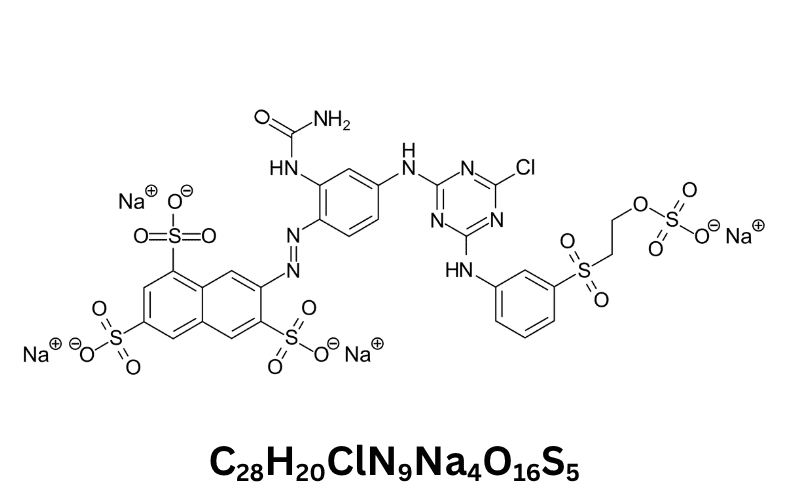
1026.3 g/mol
Purity
95% - 99.99% (upto 5N)
Packaging
25 / 50 / 500 / 1000 kg bags
25 / 50 kg drums /
200 - 1000 ltr IBC
MOQ
1 T.E.U. (FCL)
Customization (incl. but not limited to)
for Grades / Forms / Specifications / Properties / Packaging available on request
Appearance ; Odor
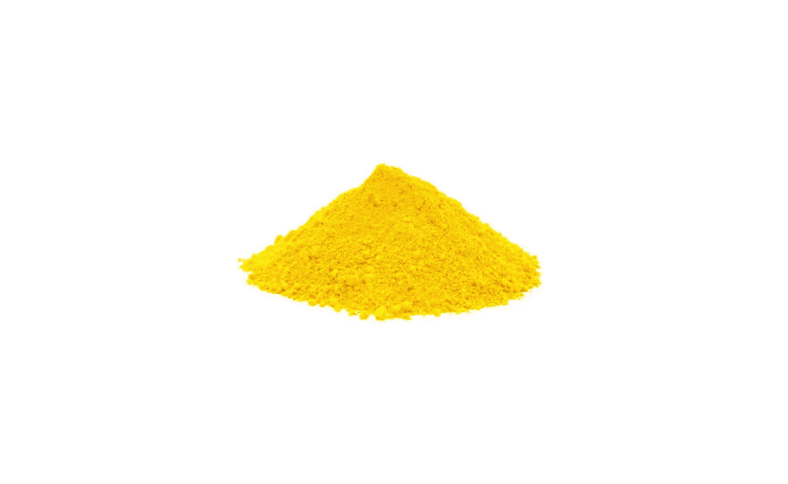
Yellow Powder / Crystals ;
Mild Chemical / Slightly Sweet Odor
Chemical Class
Azo / Monoazo dominant / MCT / VS
Forms
Powder/Granular
IUPAC Name
tetrasodium;7-[[2-(carbamoylamino)-4-[[4-chloro-6-[3-(2-sulfonatooxyethylsulfonyl)anilino]-1,3,5-triazin-2-yl]amino]phenyl]diazenyl]naphthalene-1,3,6-trisulfonate
Reactive Yellow dyes are high-performance, water-soluble colorants engineered to deliver bright, clean yellow shades with excellent consistency across a wide range of cellulosic substrates. Designed using advanced reactive chemistries, these dyes form strong covalent bonds with fibers such as cotton, viscose, linen, and blends, ensuring superior wash durability and color retention. The range includes optimized systems for balanced exhaustion and leveling, high fixation efficiency, and controlled reactivity, enabling compatibility with exhaust dyeing, continuous processing, and modern low-liquor ratio technologies. Variants are also tailored for printing applications and precision digital ink formulations, offering excellent solubility, filtration stability, and sharp color definition.
This portfolio is developed to meet the evolving needs of textile manufacturers, combining high brightness, reproducibility, and process efficiency with environmental responsibility. Enhanced dye utilization, low hydrolysis characteristics, and reduced electrolyte requirements contribute to lower effluent load and improved sustainability performance. The products are suitable for diverse applications including apparel, home textiles, industrial fabrics, and high-value fashion segments, supporting both bulk production and customized design requirements. With compliance to global standards and adaptability across multiple dyeing techniques, these dyes provide a reliable and scalable solution for consistent, high-quality yellow shades in modern textile processing.
Our Reactive Yellow dyes are engineered for high brightness, excellent fixation, and superior wash and light fastness on cellulosic fibers, making them ideal for vibrant textile dyeing, printing, and continuous processing applications across diverse industries.
| Grade (C.I.) | Strength (%) | Key Properties | Form | Applications |
|---|---|---|---|---|
| Reactive Yellow 86 | 100 – 120% | Bright shade, high tinctorial strength, industry standard | Powder / Granular / Liquid | Cotton dyeing (exhaust, jet, soft flow), viscose dyeing, yarn dyeing, garment dyeing, apparel fabrics, home textiles, knitwear, woven fabrics |
| Reactive Yellow 145 | 110 – 130% | Bifunctional, high fixation, low hydrolysis | Powder / Granular / Liquid | Deep shade dyeing, export-quality textiles, premium garments, continuous dyeing (pad-dry-cure), cellulosic blends |
| Reactive Yellow 160 | 105 – 125% | Excellent wash fastness, high reproducibility | Powder / Liquid | Fashion textiles, repeated batch production, cotton & viscose fabrics, bed linens, towels, industrial fabrics |
| Reactive Yellow 84 | 100 – 120% | High exhaustion (VS type), good leveling | Powder / Liquid | Exhaust dyeing, low liquor ratio dyeing machines, knitwear, blended fabrics, continuous dyeing ranges |
| Reactive Yellow 37 | 100 – 115% | Reddish yellow tone, good build-up | Powder | Shade matching, fashion fabrics, garment dyeing, cotton textiles, color mixing applications |
| Reactive Yellow P-4G | 100 – 115% | Greenish tone, high brightness, sharp print definition | Powder / Paste / Liquid Ink | Screen printing, rotary printing, textile printing, design fabrics, home furnishing prints, fashion prints |
| Reactive Yellow P-5G | 100 – 120% | Very bright tone, high color yield | Powder / Paste / Liquid Ink | High-end textile printing, digital textile printing, customized designs, apparel prints, décor textiles |
| Reactive Yellow EX | 110 – 130% | High exhaustion (70–85%), reduced salt requirement | Powder / Granular | Exhaust dyeing, eco-friendly dyeing processes, low liquor systems, sustainable textile processing, knit & woven fabrics |
| Reactive Yellow HF / HFN | 110 – 130% | High fixation (65–80%), low hydrolysis | Powder / Liquid | High fastness garments, export fabrics, premium apparel, sportswear, uniform fabrics, industrial textiles |
| Reactive Yellow Deep / Golden Yellow | 120 – 140% | High build-up, deep golden tone | Powder / Granular | Deep shade dyeing, fashion garments, ethnic wear fabrics, upholstery textiles, high depth applications |
| Reactive Yellow CPB Grade | 100 – 120% | Optimized for cold pad batch, stable reactivity | Liquid / Powder | Continuous dyeing, large-scale textile mills, pad batch processing, woven fabrics, industrial processing lines |
| Reactive Yellow Digital Ink | Standardized | High solubility, fine filtration, nozzle-safe | Liquid Ink | Digital textile printing, inkjet printing systems, customized apparel, signage textiles, short-run production, on-demand printing |
Our Reactive Yellow dyes are tested as per internationally recognized ISO, AATCC, and DIN standards to ensure consistent brightness, high fixation, excellent fastness properties, and reproducible clean yellow shades on cellulosic fibers.
| Parameter | Test Method | Specification |
|---|---|---|
| Appearance | ISO 607: Visual assessment of dyes | Yellow to orange powder / granular / liquid |
| Shade (Tone) | ISO 105-J01: Instrumental color measurement (CIELAB) | Greenish / Reddish / Golden Yellow (grade dependent) |
| Strength (Color Value) | ISO 105-J03: Relative color strength determination | 95 – 140% (relative to standard) |
| Solubility | ISO 105-Z09: Solubility and solution stability | ≥ 60 – 180 g/L (grade dependent) |
| pH (1% Solution) | ISO 105-Z07: Determination of pH of dye solution | 6.0 – 8.0 |
| Electrolyte Stability | ISO 105-Z10: Stability in presence of salt | Stable under 40 – 100 g/L salt conditions |
| Alkali Stability | ISO 105-Z08: Stability under alkaline conditions | Stable at pH 10 – 11 (soda ash fixation conditions) |
| Exhaustion Rate | ISO 105-C06 (Modified for dye uptake measurement) | 70 – 85% |
| Fixation Rate | ISO 105-C06 / AATCC 61 (After washing) | 65 – 80% |
| Wash Fastness | ISO 105-C06: Color fastness to domestic and commercial washing | Grade 4 – 5 |
| Rubbing Fastness (Dry/Wet) | ISO 105-X12: Color fastness to rubbing | Dry: 4 – 5 | Wet: 3 – 4 |
| Light Fastness | ISO 105-B02: Xenon arc lamp (Blue Wool Scale) | 4 – 6 (depending on shade depth) |
| Perspiration Fastness | ISO 105-E04: Acid and alkaline perspiration | Grade 4 – 5 |
| Chlorinated Water Fastness | ISO 105-E03: Chlorinated water resistance | Grade 3 – 4 |
| Migration / Leveling | ISO 105-A04: Assessment of staining | Good to Excellent leveling and migration control |
| Reproducibility | ISO 105-J03: Batch-to-batch shade consistency | ΔE ≤ 1.0 |
| Dissolution Time | Internal / ISO 105-Z09 Reference | ≤ 10 – 15 minutes (fast dissolving grades available) |
| Moisture Content | ISO 105-Z01: Determination of moisture in dyes | ≤ 5% |
| Heavy Metals | ICP-OES / AAS (as per REACH / ZDHC guidelines) | Within regulatory limits |
| Property | Reactive Yellow 86 | Reactive Yellow 145 | Reactive Yellow 160 | Reactive Yellow 84 | Reactive Yellow 37 | Reactive Yellow EX | Reactive Yellow HF |
|---|---|---|---|---|---|---|---|
| Appearance | Bright yellow powder / granules | Fine yellow powder | Yellow powder / liquid | Free-flowing yellow powder | Reddish yellow powder | Granular yellow powder | Fine high-strength powder |
| Solubility (g/L at 25°C) | 120 – 150 | 140 – 180 | 130 – 170 | 110 – 140 | 100 – 130 | 150 – 200 | 140 – 180 |
| Moisture (%) | ≤ 5.0 | ≤ 4.0 | ≤ 4.0 | ≤ 5.0 | ≤ 6.0 | ≤ 4.0 | ≤ 4.0 |
| pH (1% Solution) | 6.5 – 8.0 | 6.0 – 7.5 | 6.0 – 7.5 | 6.5 – 8.0 | 6.5 – 8.5 | 6.0 – 7.5 | 6.0 – 7.5 |
| Dissolution Time (min) | 8 – 12 | 8 – 12 | 8 – 12 | 10 – 15 | 10 – 18 | 6 – 10 | 6 – 10 |
| Electrolyte Stability (NaCl g/L) | 60 – 80 | 80 – 100 | 80 – 100 | 60 – 80 | 50 – 70 | 80 – 100 | 80 – 100 |
| Alkali Stability (pH) | 10 – 11 | 10.5 – 11.5 | 10.5 – 11.5 | 10 – 11 | 9.5 – 10.5 | 10.5 – 11.5 | 10.5 – 11.5 |
| Hydrolysis Rate (%) | 15 – 25 | 10 – 20 | 10 – 20 | 20 – 30 | 25 – 35 | 8 – 15 | 8 – 15 |
| Exhaustion (%) | 70 – 80 | 75 – 85 | 70 – 80 | 65 – 75 | 60 – 70 | 80 – 85 | 75 – 85 |
| Fixation (%) | 65 – 75 | 75 – 80 | 70 – 80 | 60 – 70 | 55 – 65 | 75 – 80 | 75 – 80 |
| Build-Up (Depth % Shade) | 2 – 4% | 3 – 5% | 3 – 5% | 2 – 4% | 2 – 3% | 4 – 6% | 4 – 6% |
| Wash Fastness | 4 – 5 | 4 – 5 | 4 – 5 | 4 | 3 – 4 | 4 – 5 | 4 – 5 |
| Rubbing Fastness (Dry/Wet) | 4–5 / 3–4 | 4–5 / 3–4 | 4–5 / 3–4 | 4 / 3 | 3–4 / 2–3 | 4–5 / 3–4 | 4–5 / 3–4 |
| Light Fastness (Blue Wool) | 4 – 5 | 5 – 6 | 5 – 6 | 4 – 5 | 4 | 5 – 6 | 5 – 6 |
| Perspiration Fastness | 4 – 5 | 4 – 5 | 4 – 5 | 4 | 3 – 4 | 4 – 5 | 4 – 5 |
| Chlorine Fastness | 3 – 4 | 4 | 4 | 3 – 4 | 3 | 4 | 4 |
| Color Strength (%) | 100 – 120 | 110 – 130 | 105 – 125 | 100 – 120 | 90 – 110 | 110 – 130 | 110 – 130 |
| Color Variation (ΔE) | ≤ 1.0 | ≤ 1.0 | ≤ 1.0 | ≤ 1.2 | ≤ 1.5 | ≤ 1.0 | ≤ 1.0 |
| Leveling Index (%) | 85 – 92 | 88 – 95 | 88 – 95 | 85 – 92 | 75 – 85 | 90 – 96 | 90 – 96 |
| Migration Index (%) | 80 – 90 | 85 – 92 | 85 – 92 | 80 – 90 | 70 – 80 | 88 – 95 | 88 – 95 |
A widely used bright greenish yellow reactive dye known for its high tinctorial strength and excellent brightness on cotton and cellulosic fibers. It offers balanced exhaustion and fixation, making it an industry standard yellow.
Applications: Cotton dyeing, knitwear, woven fabrics, apparel textiles, home textiles, yarn dyeing.
Bifunctional reactive dye offering high fixation and low hydrolysis, ideal for premium textile processing and export-quality fabrics requiring superior fastness.
Applications: High-end garments, export fabrics, continuous dyeing, sustainable textile processing, blends.
High-performance reactive yellow dye with excellent wash fastness and reproducibility, widely used in fashion and repeated batch dyeing processes.
Applications: Fashion textiles, batch dyeing, bed linens, towels, cotton & viscose fabrics.
Vinyl sulfone-based reactive dye with high exhaustion and good leveling, suitable for exhaust dyeing and economical textile processing.
Applications: Exhaust dyeing, knit fabrics, blended textiles, mass production fabrics.
Reddish yellow reactive dye offering good build-up and suitability for shade matching and color blending in textile dyeing.
Applications: Shade matching, garment dyeing, cotton textiles, color mixing systems.
Printing grade reactive dye with greenish tone, designed for high-definition textile printing and excellent sharpness.
Applications: Textile printing, home furnishing prints, fashion prints, rotary & screen printing.
High brightness printing grade offering superior color yield and vibrancy for premium textile printing applications.
Applications: Premium textile printing, digital printing, apparel prints, décor textiles.
High exhaustion reactive dye designed for eco-friendly dyeing with reduced salt consumption and improved process efficiency.
Applications: Sustainable dyeing, low liquor ratio dyeing, knitwear, eco-friendly textile processing.
High fixation reactive dye series engineered for maximum dye utilization, reduced hydrolysis, and superior fastness performance.
Applications: Premium garments, export fabrics, sportswear, uniforms, high-performance textiles.
High build-up reactive yellow designed for deeper golden shades, offering rich tone development and excellent depth on cellulosic fibers.
Applications: Fashion garments, ethnic wear, upholstery fabrics, deep shade textiles.
Specially formulated for cold pad batch processing, offering controlled reactivity and uniform fixation in continuous dyeing systems.
Applications: Cold pad batch dyeing, continuous processing, woven fabrics, industrial textile production.
High-purity reactive dye formulation designed for digital textile printing with excellent solubility, filtration, and jetting performance.
Applications: Digital textile printing, inkjet systems, customized apparel, short-run production, on-demand printing.
Reactive Yellow dyes, including standard vinyl sulfone grades (RY84, RY86), bifunctional high-fixation systems (RY145, HF/HFN), high-exhaustion grades (EX), printing grades (P-4G, P-5G), CPB grades, and digital ink formulations, are water-soluble reactive colorants that form covalent bonds with cellulosic fibers. While stable under recommended conditions, exposure to dye powders or concentrated solutions may cause skin irritation, eye irritation, or respiratory discomfort. Some reactive dyes may also exhibit skin sensitization potential in susceptible individuals. Proper industrial hygiene, controlled handling systems, and adherence to safety protocols are essential during storage, handling, and textile processing.
Safety Data Sheets (SDS) are available upon request for detailed information on occupational exposure limits, regulatory compliance (REACH, ZDHC, OEKO-TEX®), and safe handling practices.
Reactive Yellow dyes are supplied in multiple packaging formats depending on product form (powder, granular, liquid, printing paste, or digital ink) and textile processing requirements. Packaging systems are designed to ensure product stability, moisture protection, and safe handling across domestic and international supply chains.
Flexible packaging, labeling, and logistics solutions are available to meet specific textile processing requirements and customer supply chain needs.
Our Reactive Yellow dye portfolio supports sustainable textile manufacturing through high fixation efficiency, reduced effluent load, and compliance with global environmental and chemical management standards.
 Home
Home